Full-Stack Learning Designer & Developer
Grounded in cognitive science. Built with real expertise.
About
L&D work is naturally layered (strategy, design, development, implementation, measurement) and most of the quality lives in the connections between those layers, not just within them. Most practitioners specialize in one or two; I work fluently across all of them. That means I can run solo on lean projects, integrate with specialist teams without translation gaps, or hold the through-line on complex builds where someone needs to keep every layer honest.
My PhD in Learning Sciences is the backbone of how I work - how I think about calibration, retention, transfer, and decision-making under uncertainty. I bring that lens into every project, but what organizations ultimately hire me for is to turn principles into working products: multilingual e-learning, scenario-based training, adaptive prototypes, and AI-augmented workflows.
Over the past decade, including four years at EY, I’ve delivered learning solutions across energy, banking and capital markets, health sciences, retail, government, and transportation, reaching more than 200,000 adult learners. I also help L&D teams build internal capability through consulting, coaching, and production methods that outlast the engagement.

Approach
Most learning programs are built around content. I build mine around the cognitive work that has to happen for behaviour to change. The first questions I usually ask aren't about modules or runtimes. They're about three things at once: what does the learner need to do differently after this experience, what organizational realities will support or undermine that change, and what does the research say will actually get them there?
Cognitive science is the architecture, not a layer on top. Retrieval practice is the engine of the path, not its assessment. Spacing, interleaving, and desirable difficulty shape the sequence. Because what feels easy in the module is what fails on the job.
Every storyboard decision is a working memory decision. The multimedia principle guides when narration replaces text, when animation earns its place, when cutting an element does more than adding one. Most e-learning loads the screen as if working memory were free; I design for the architecture the learner has, not the one a stock template assumes.
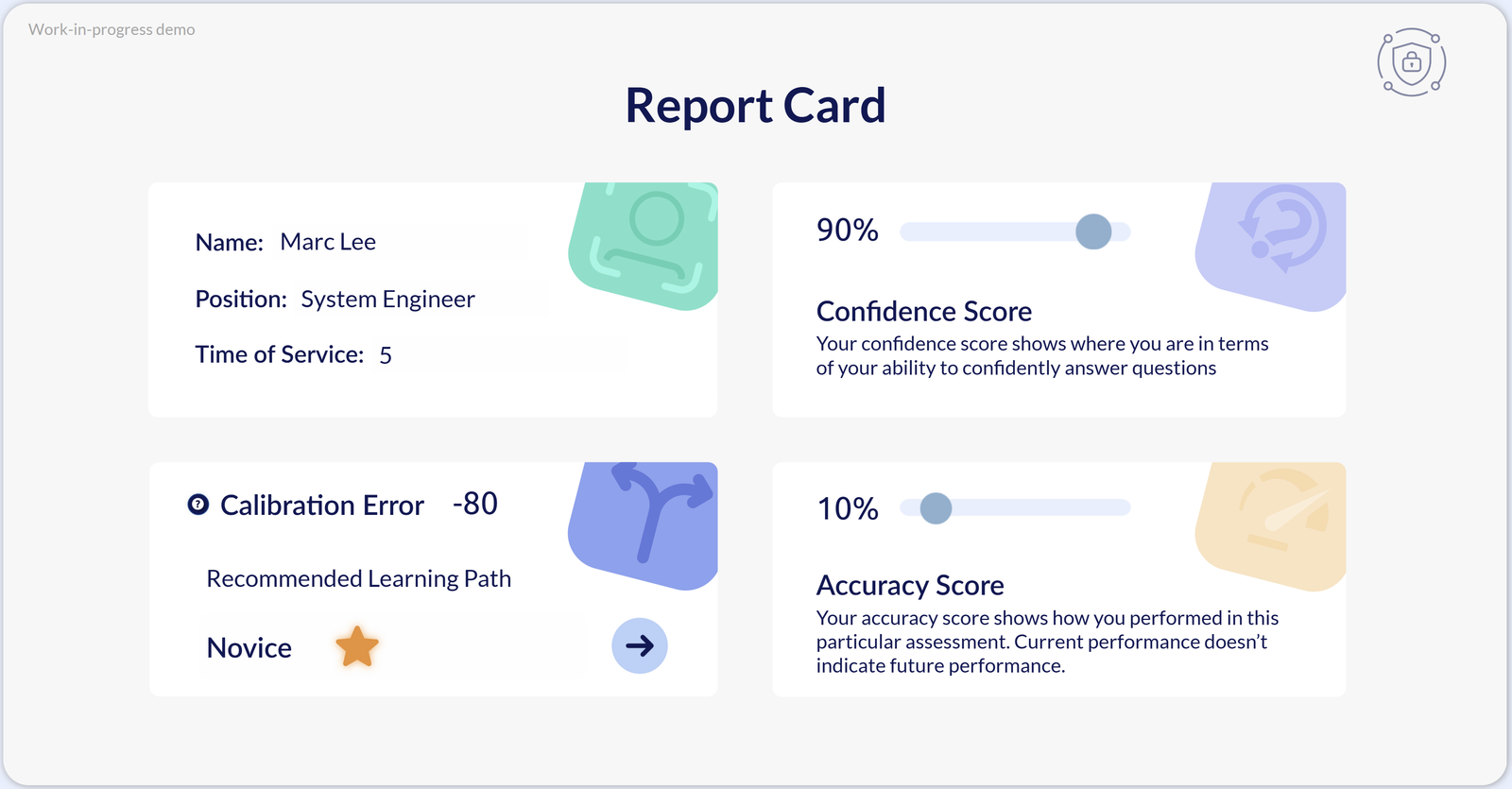
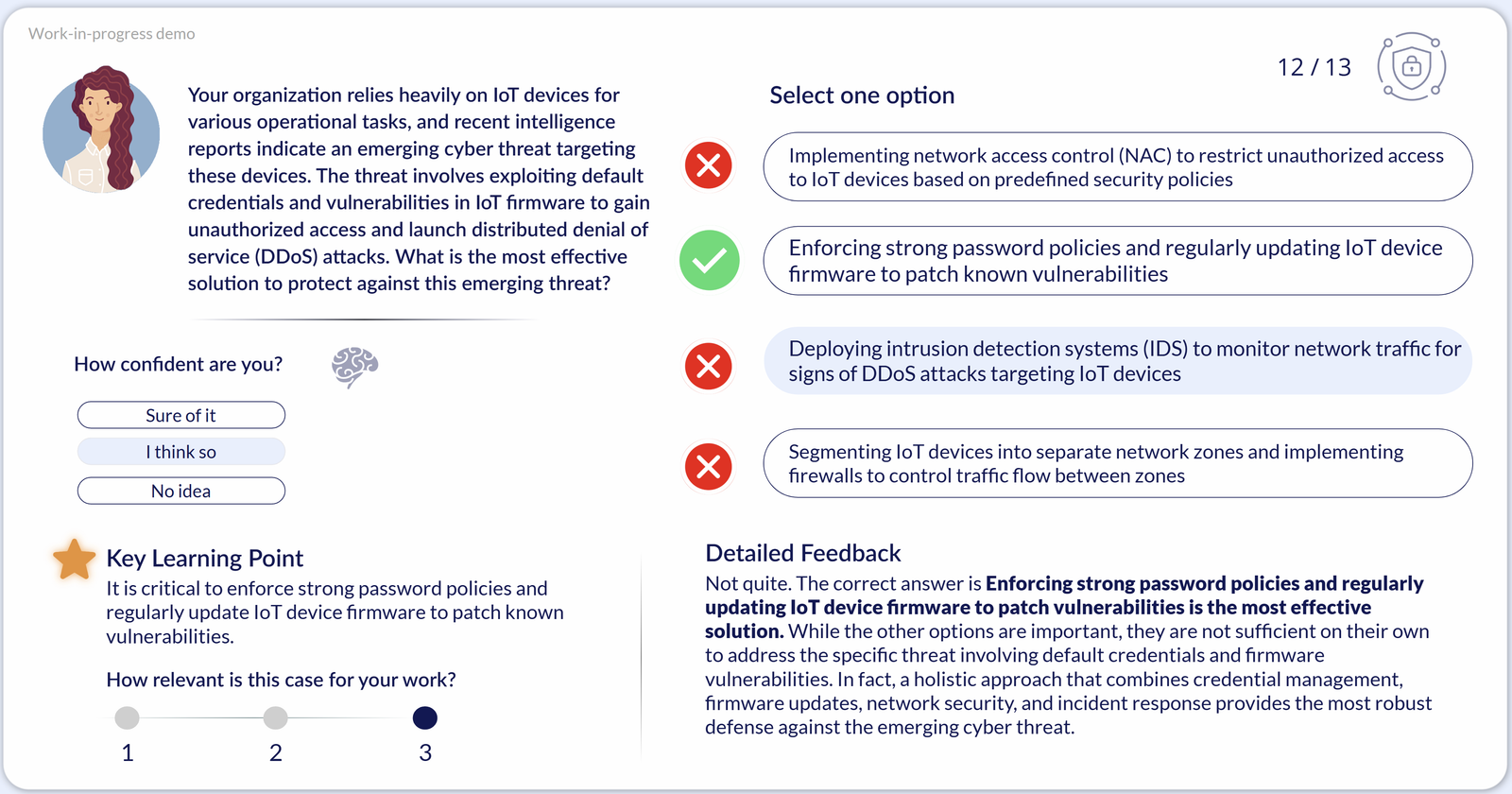
Engagement isn't entertainment. It's the cognitive effort a learner invests once they can see what they don't yet know. Calibration, scenarios, and reflection make that gap visible and give the learner the practice to close it. The goal is the shift from confident-but-wrong to accurately self-aware; and from there to capability the business can rely on.
Effective learning is durable learning.It's the difference between completing a course and changing what the learner does the next time it matters.
What I Do
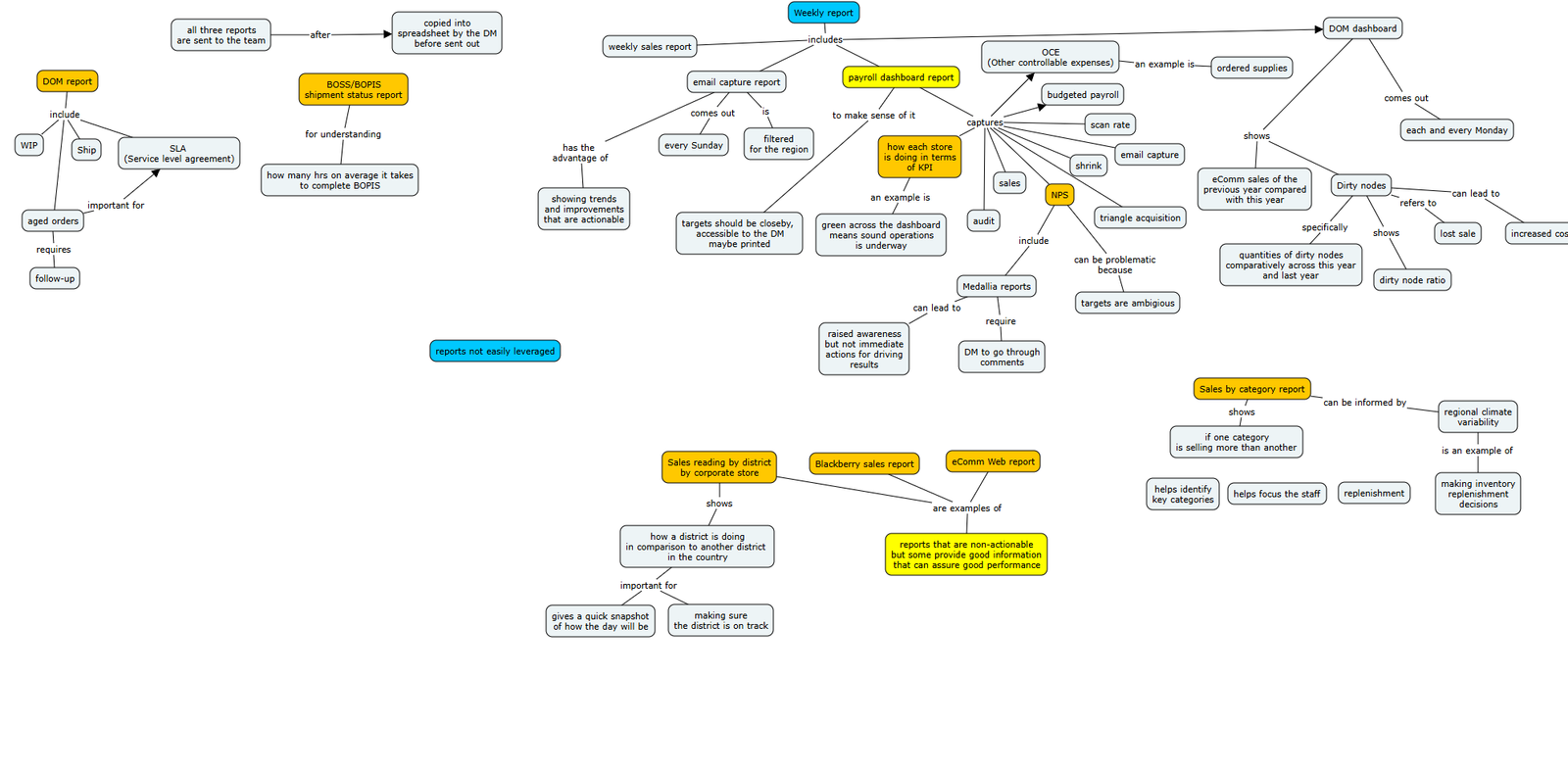
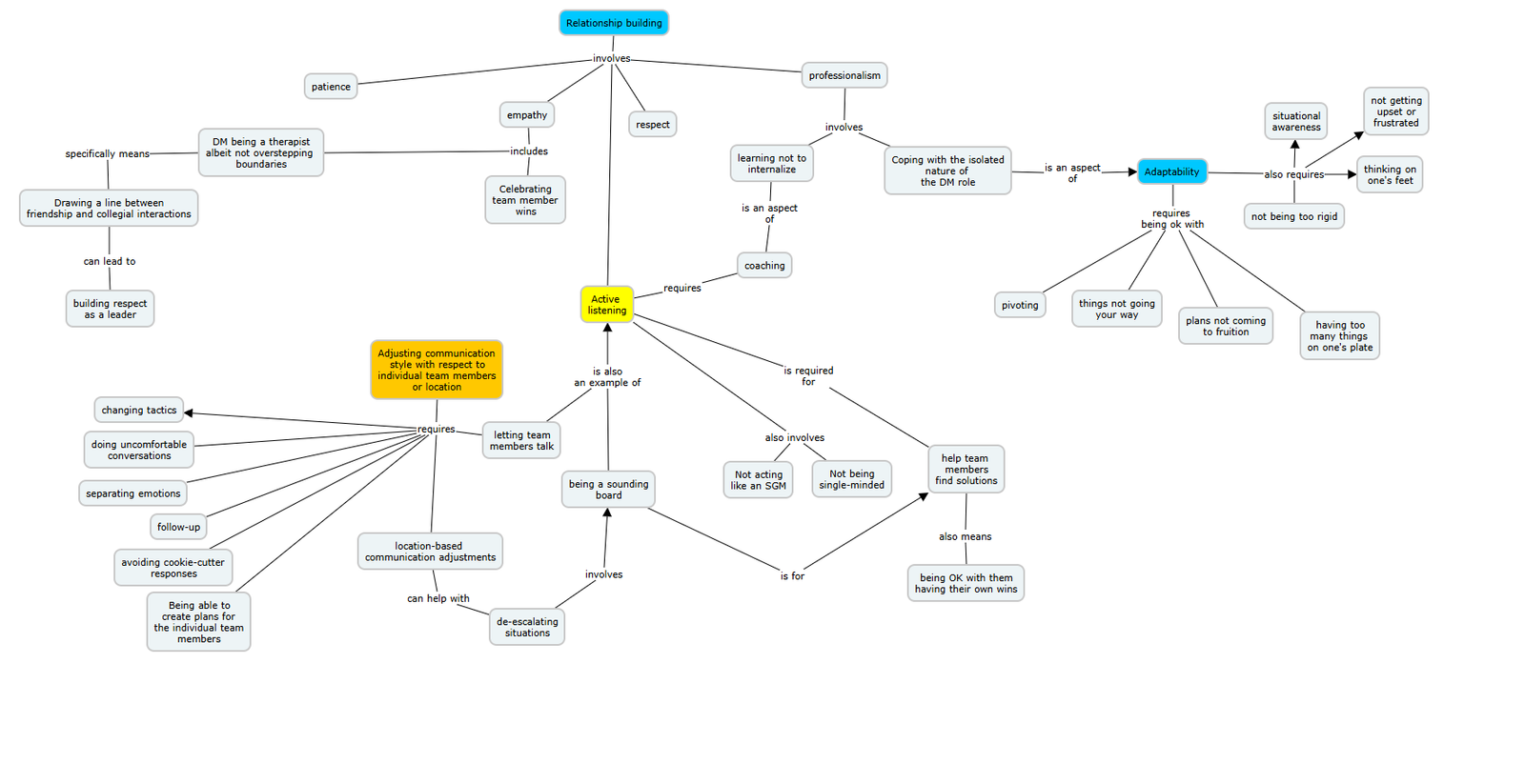
I design the blueprint. Needs analysis, learning architecture, curriculum design, cognitive task analysis, and organizational capability mapping. I translate business problems into learning systems that actually move metrics - not just completion rates.
I integrate AI where it genuinely accelerates learning - not where it merely automates content production. From adaptive learning prototypes to agentic AI frameworks, I help organizations adopt AI without sacrificing the retention and transfer that make training actually worth the investment.

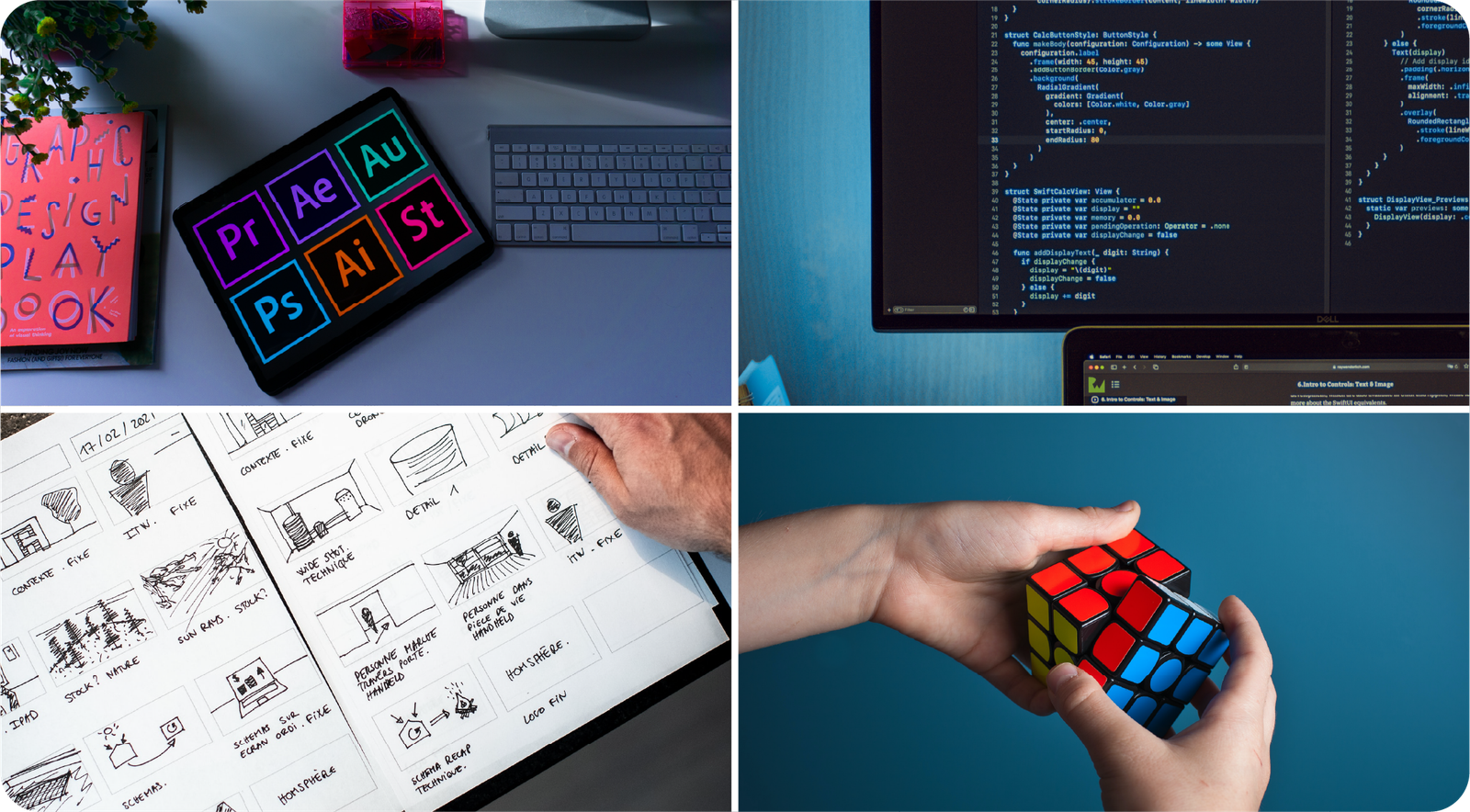
I build the thing. Scenario-based e-learning, gamified applications, motion graphics, interactive HTML experiences, and multimedia-rich programs - all developed in Storyline, Adapt, Creative Cloud, and custom code. Bilingual delivery in English and French.
Thinking
I write about the intersection of AI and learning design on my Substack, Learning Adept.
A framework for understanding where organizations sit on the AI adoption curve in learning and development. Ground 0 is AI as content generator - faster production, same paradigm. Ground 1 is AI as learning assistant - chatbots, tutors, copilots embedded in the learner experience. Ground 2 is AI as autonomous agent embedded in the learning architecture - coordinating, adapting, and measuring in real time. Most organizations are stuck at Ground 0 and calling it transformation.
Selected Work
Each project represents a different strategic challenge, visual style, and technical approach - tailored to client needs and audience context.
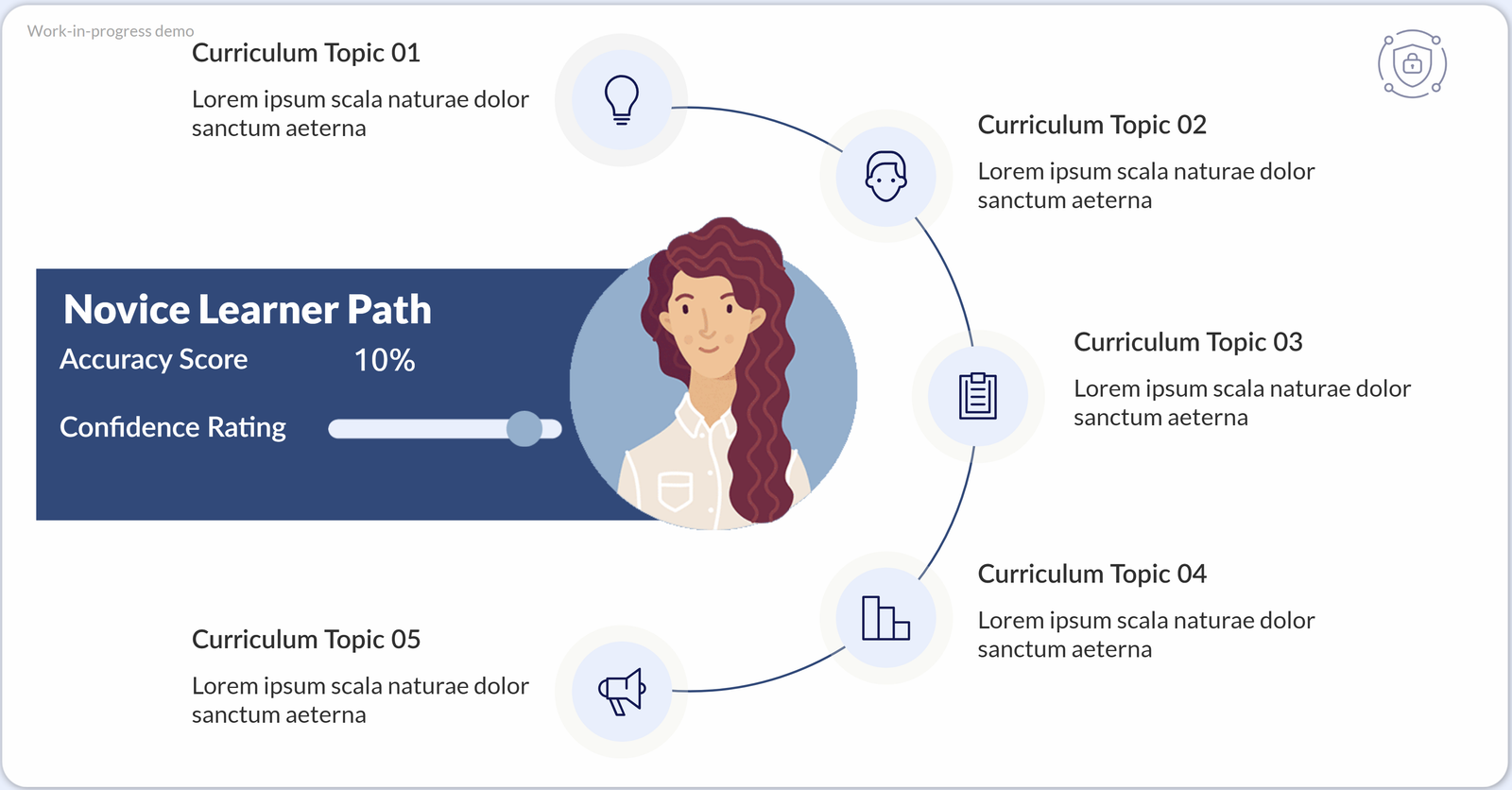
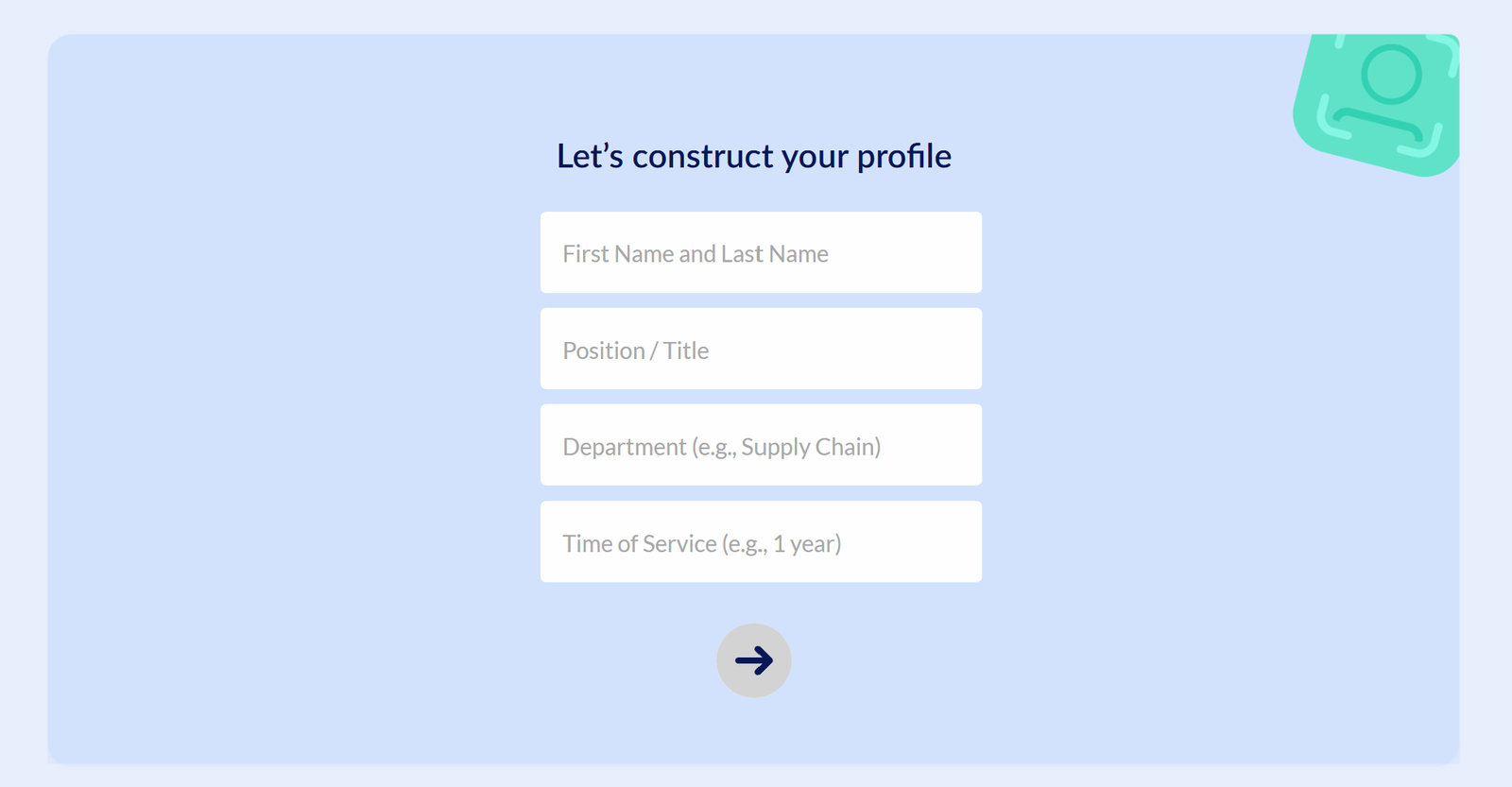
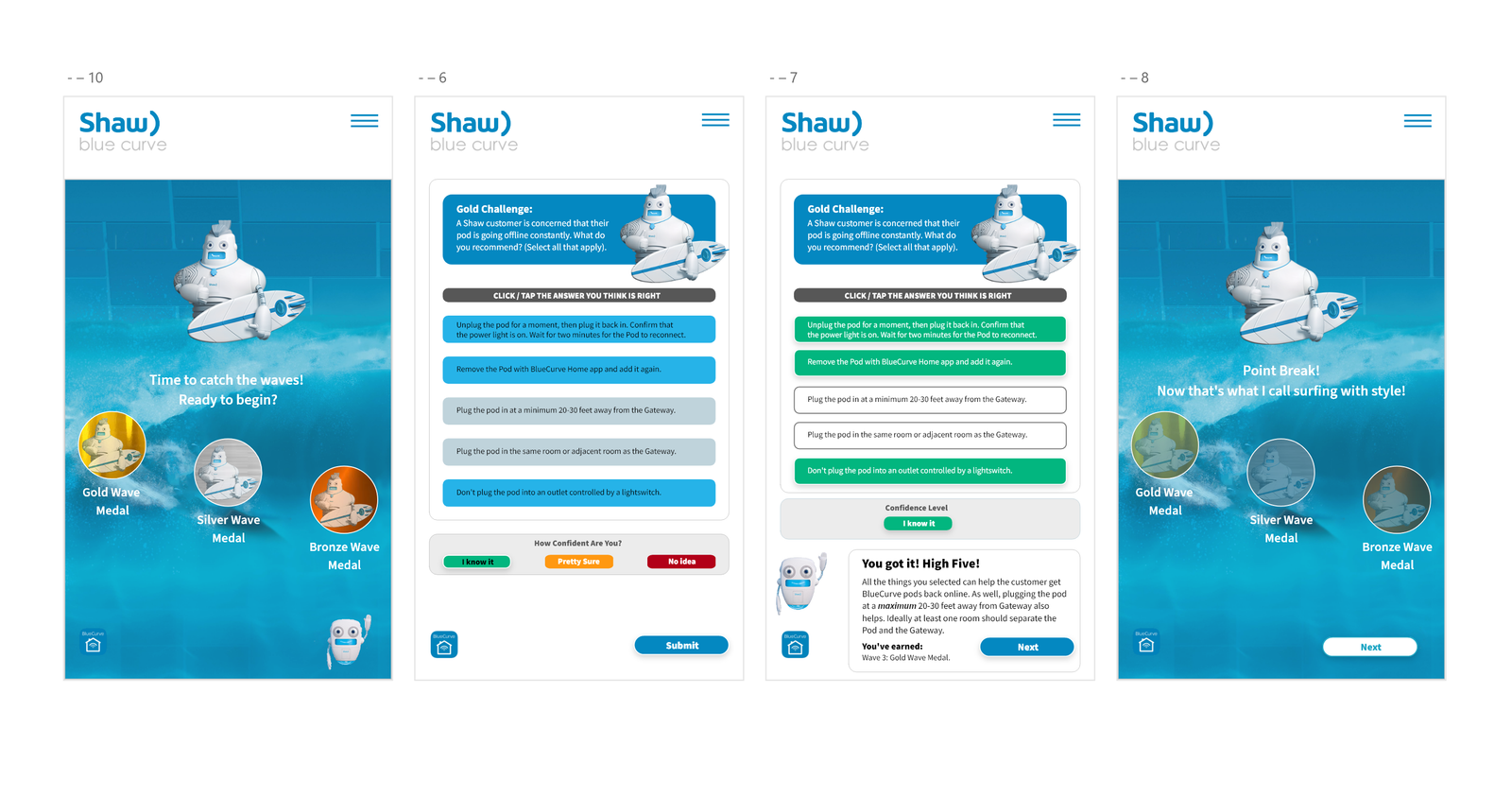
Evidence-based pre-testing with confidence calibration and adaptive path sorting.
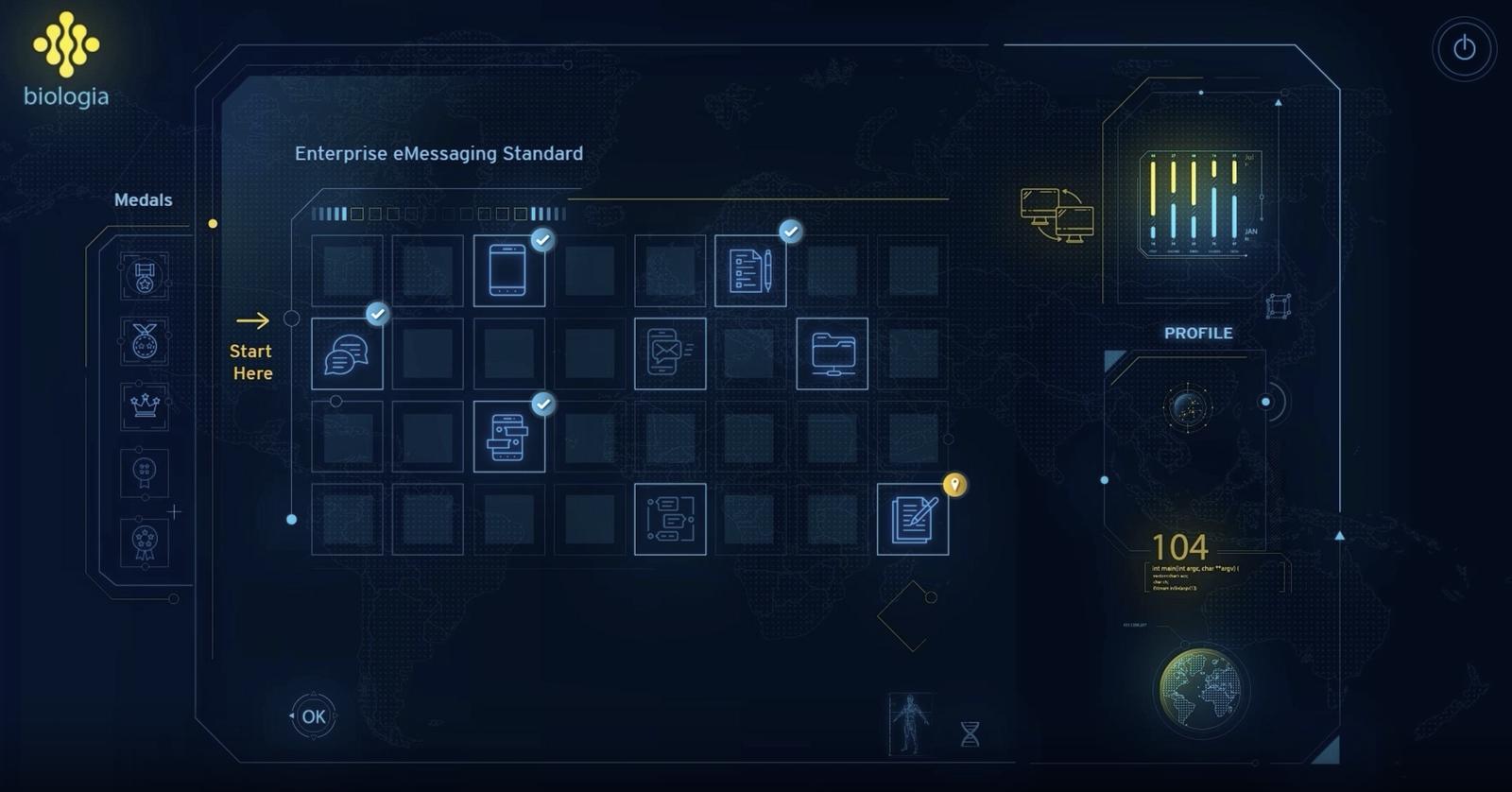
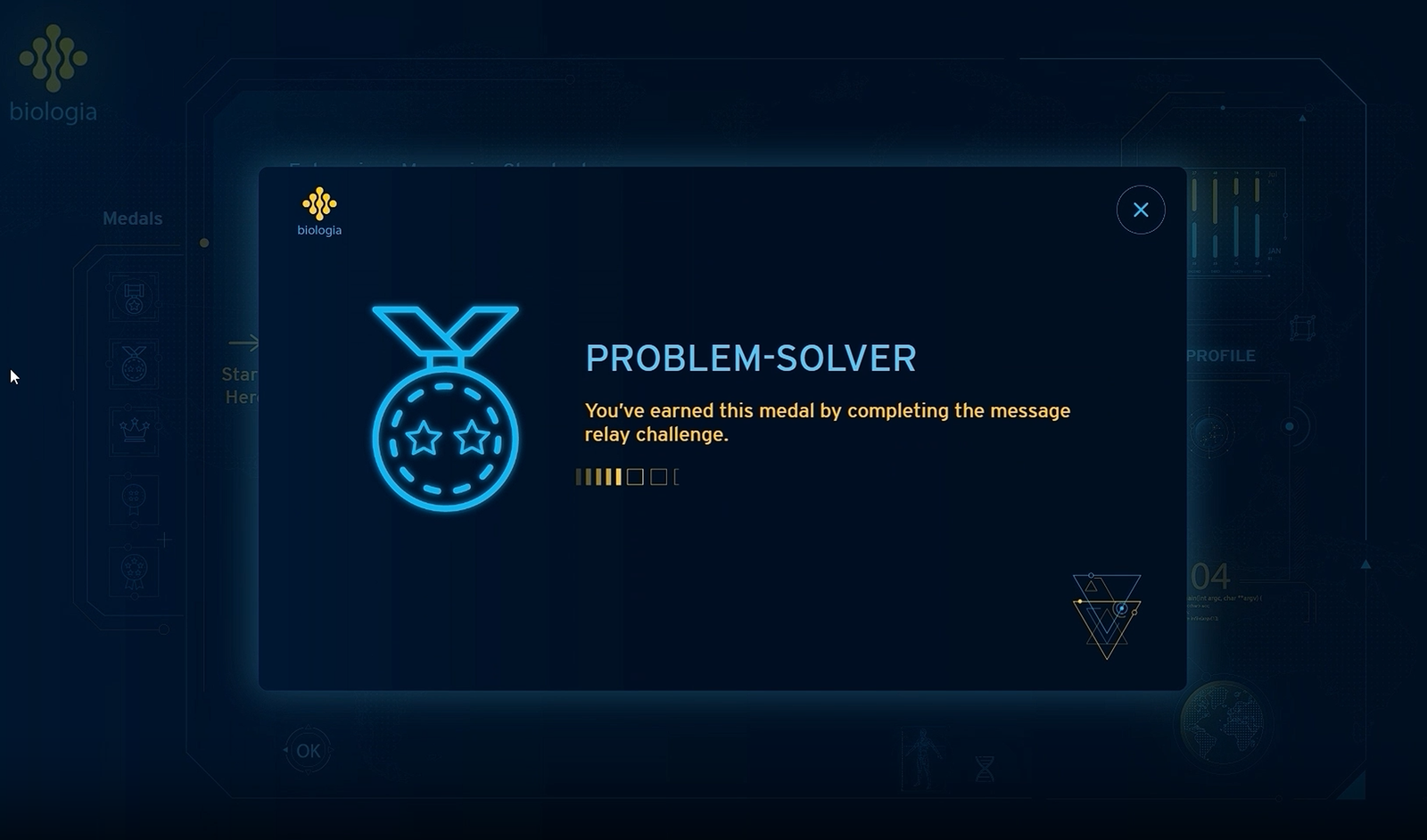
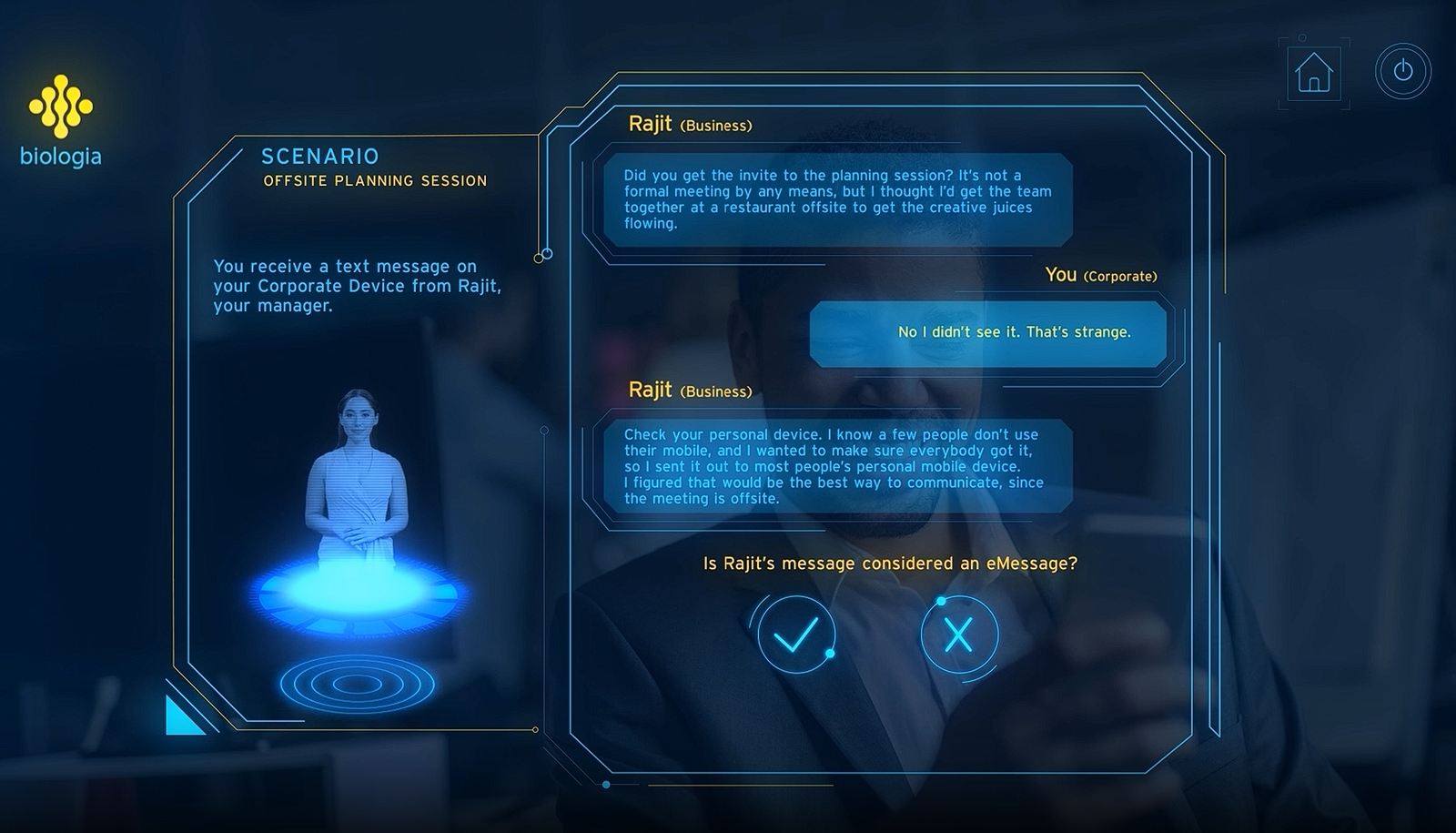
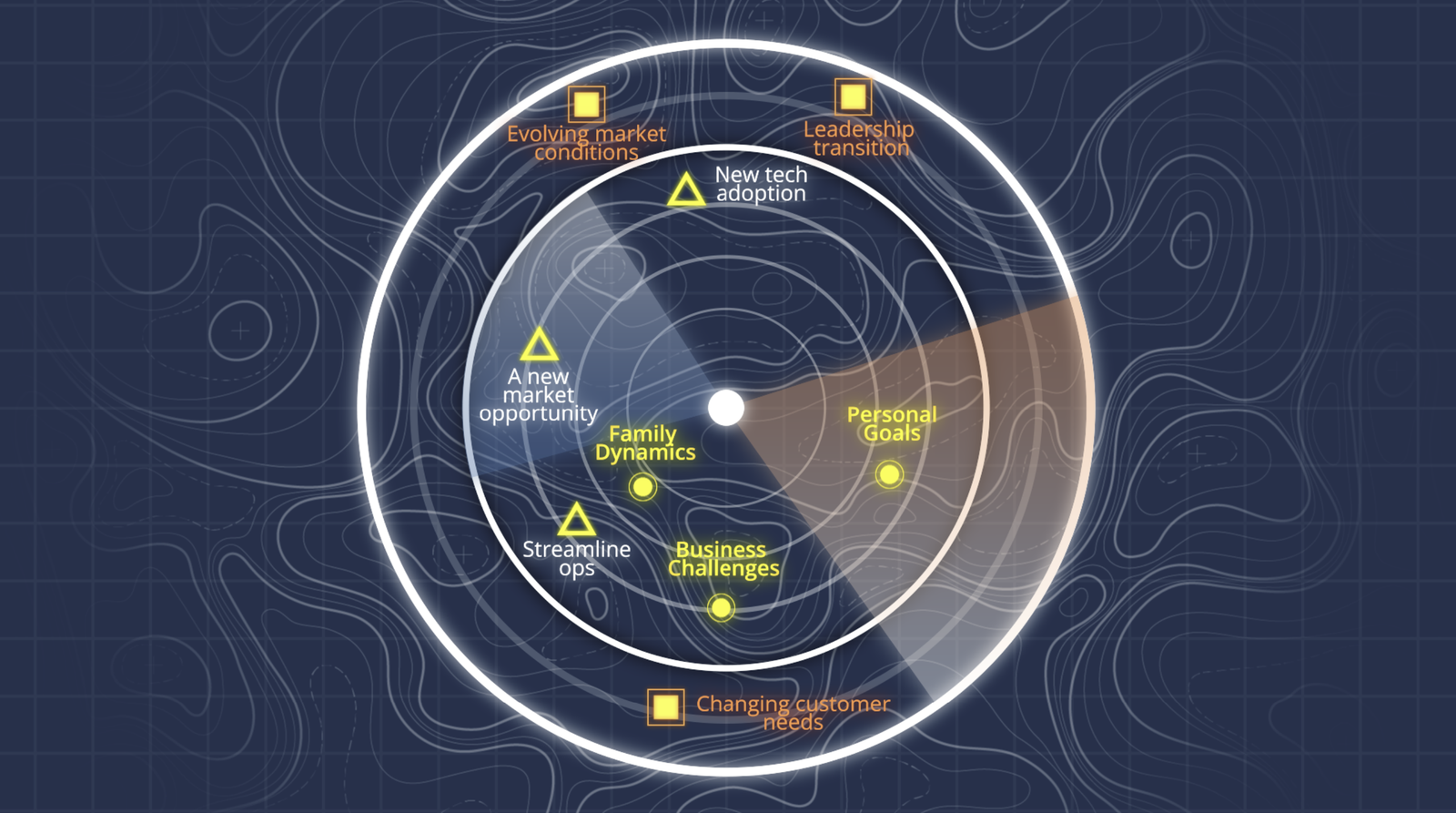
Custom HTML-based application with holographic UI and gamification elements.
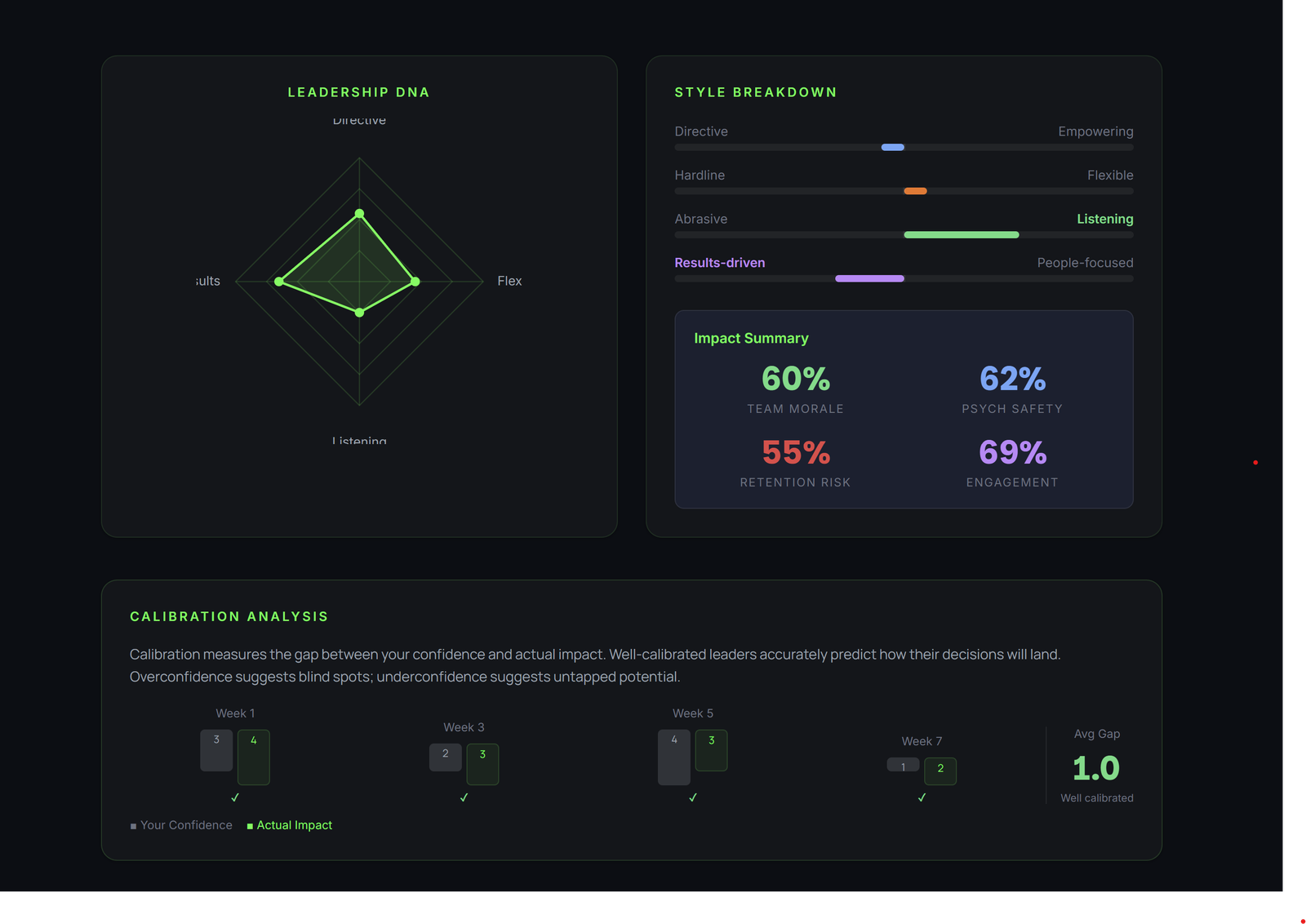
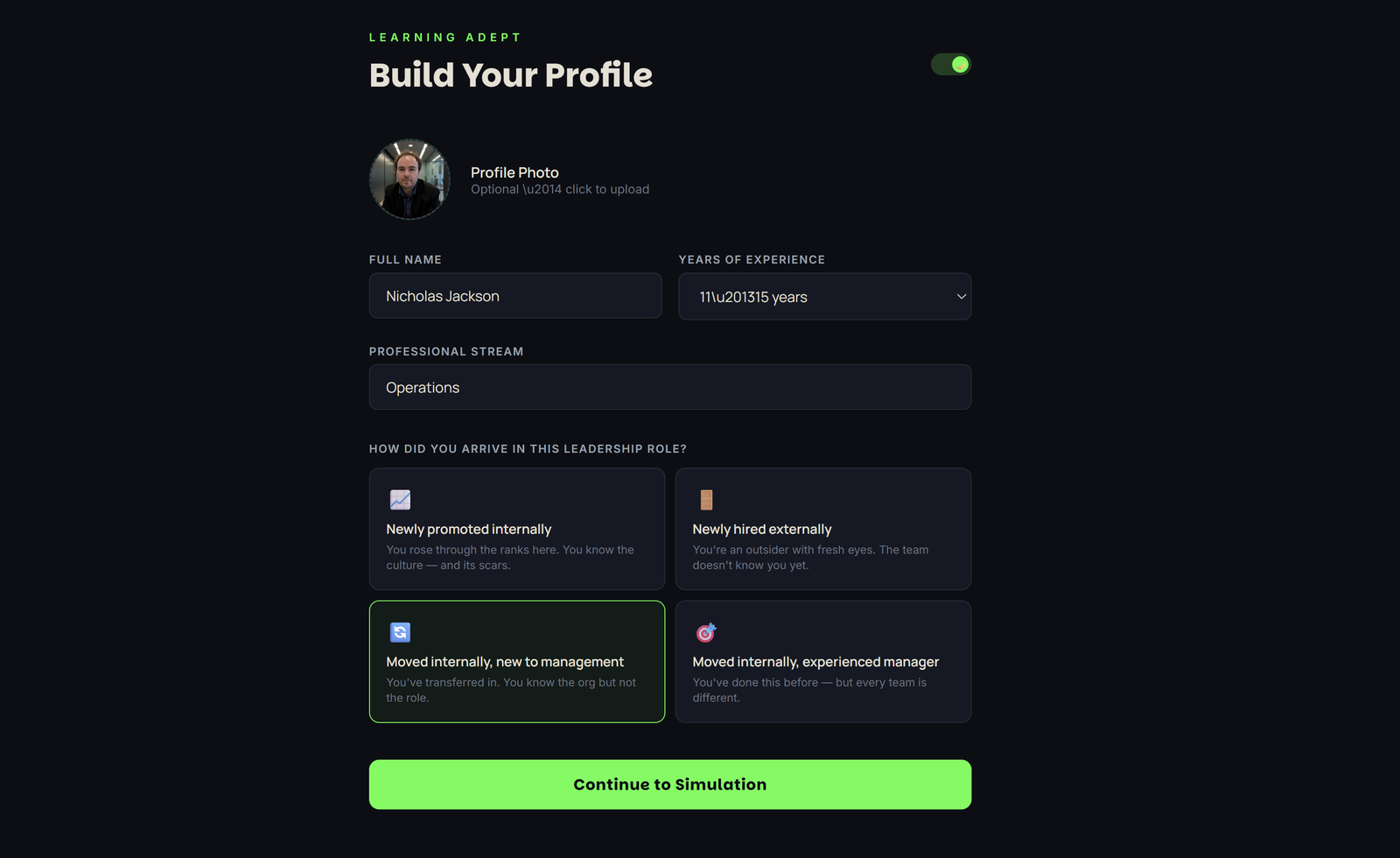
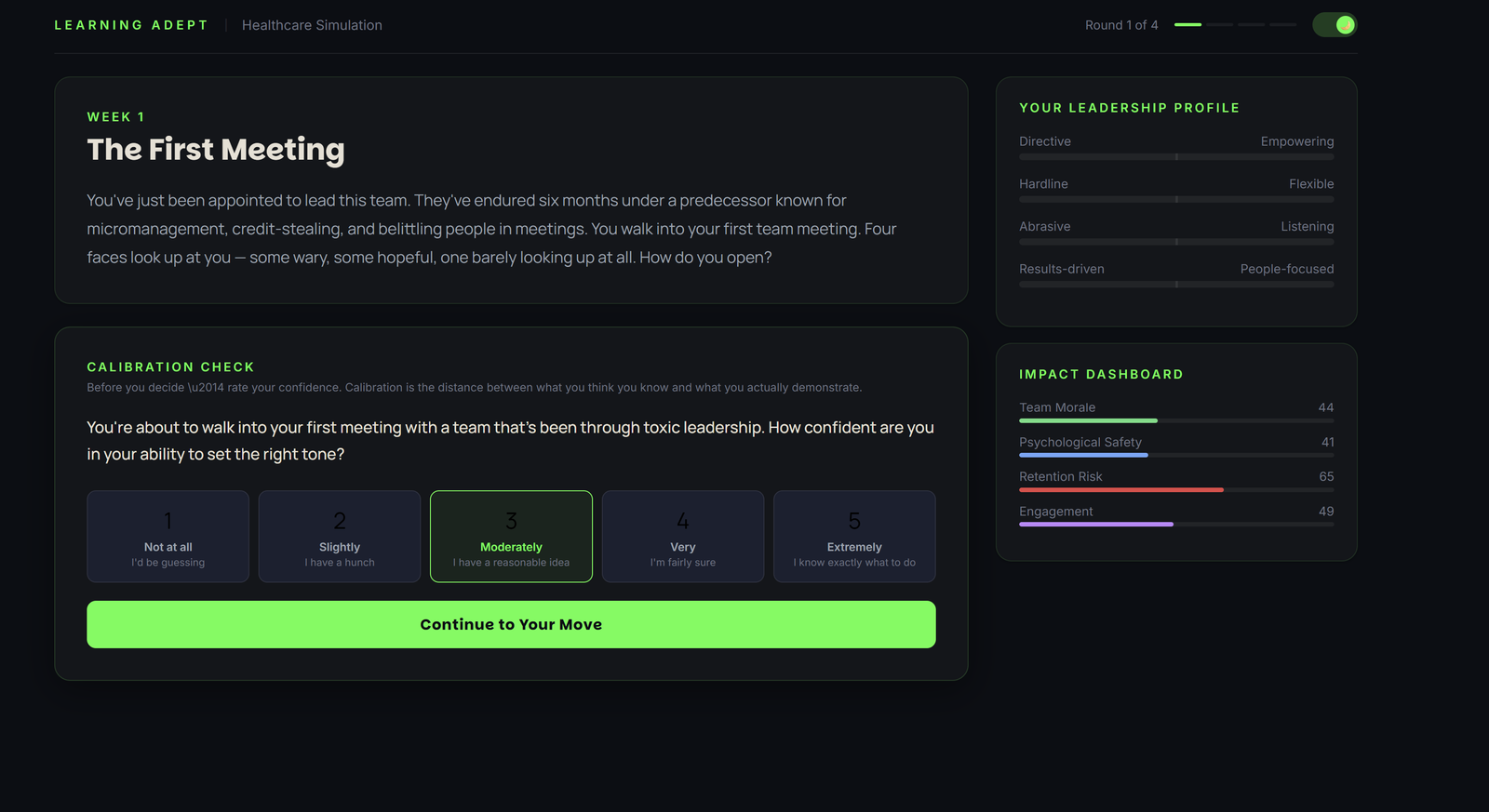
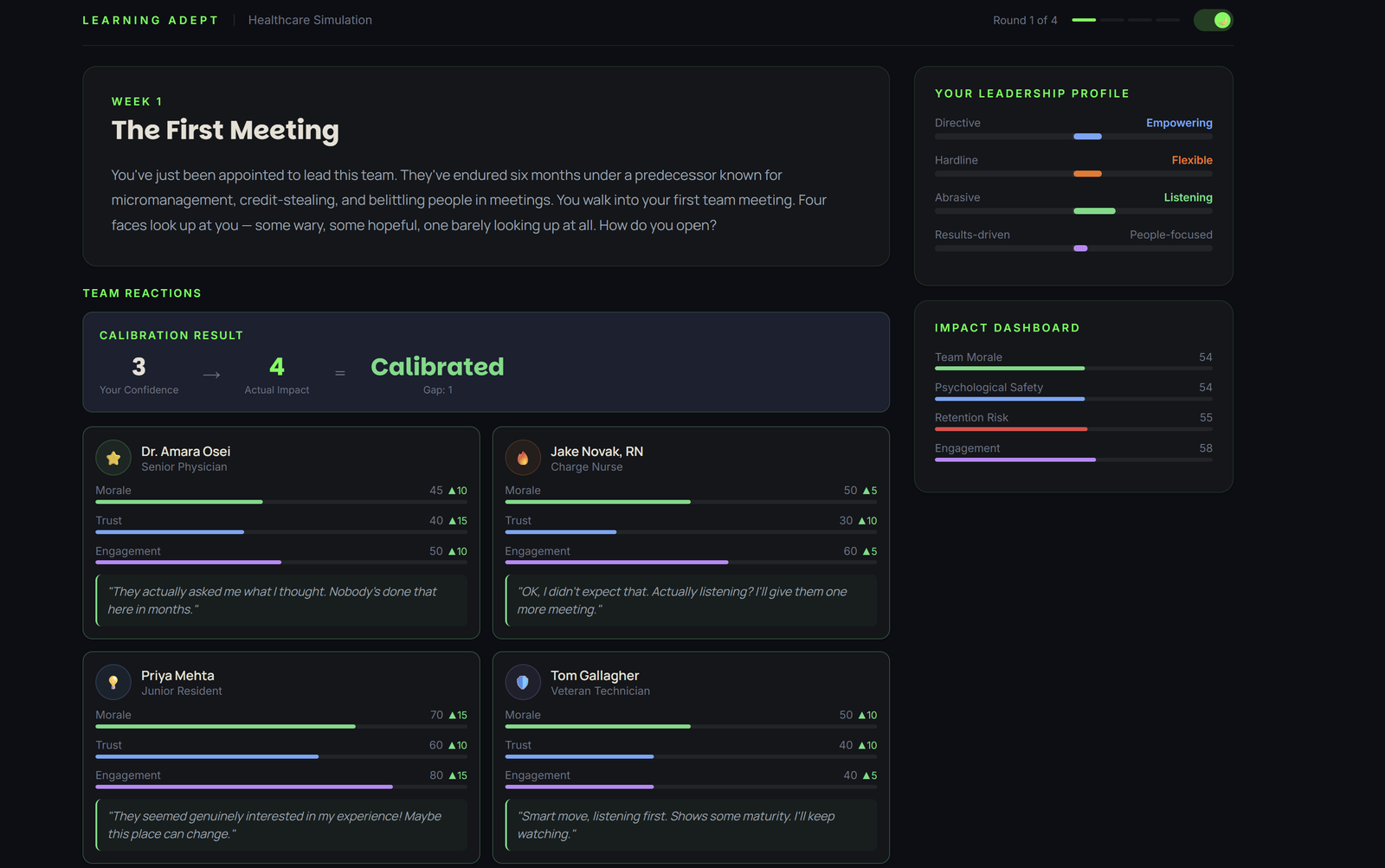
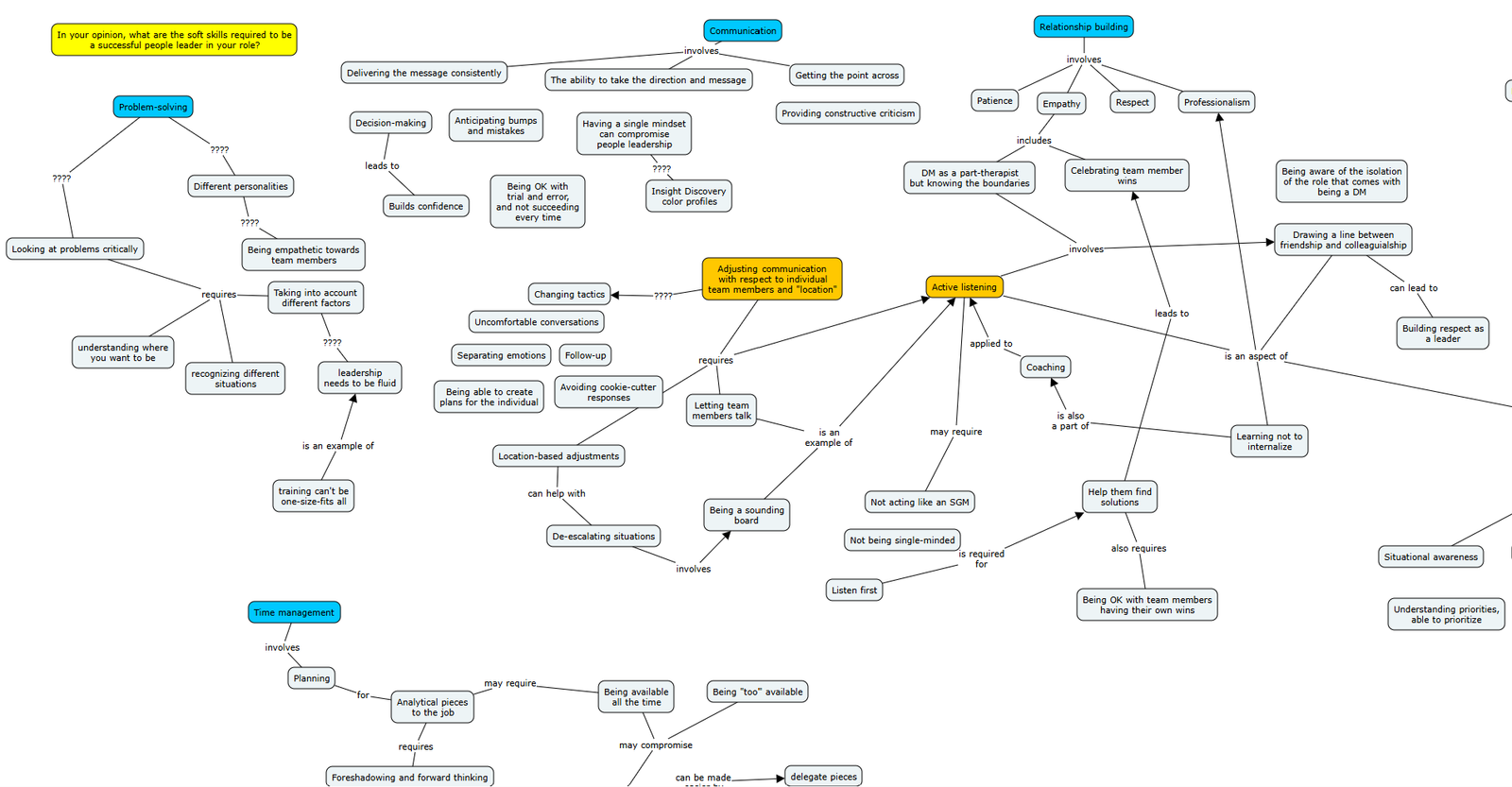
A leadership simulation for manager development in different industries
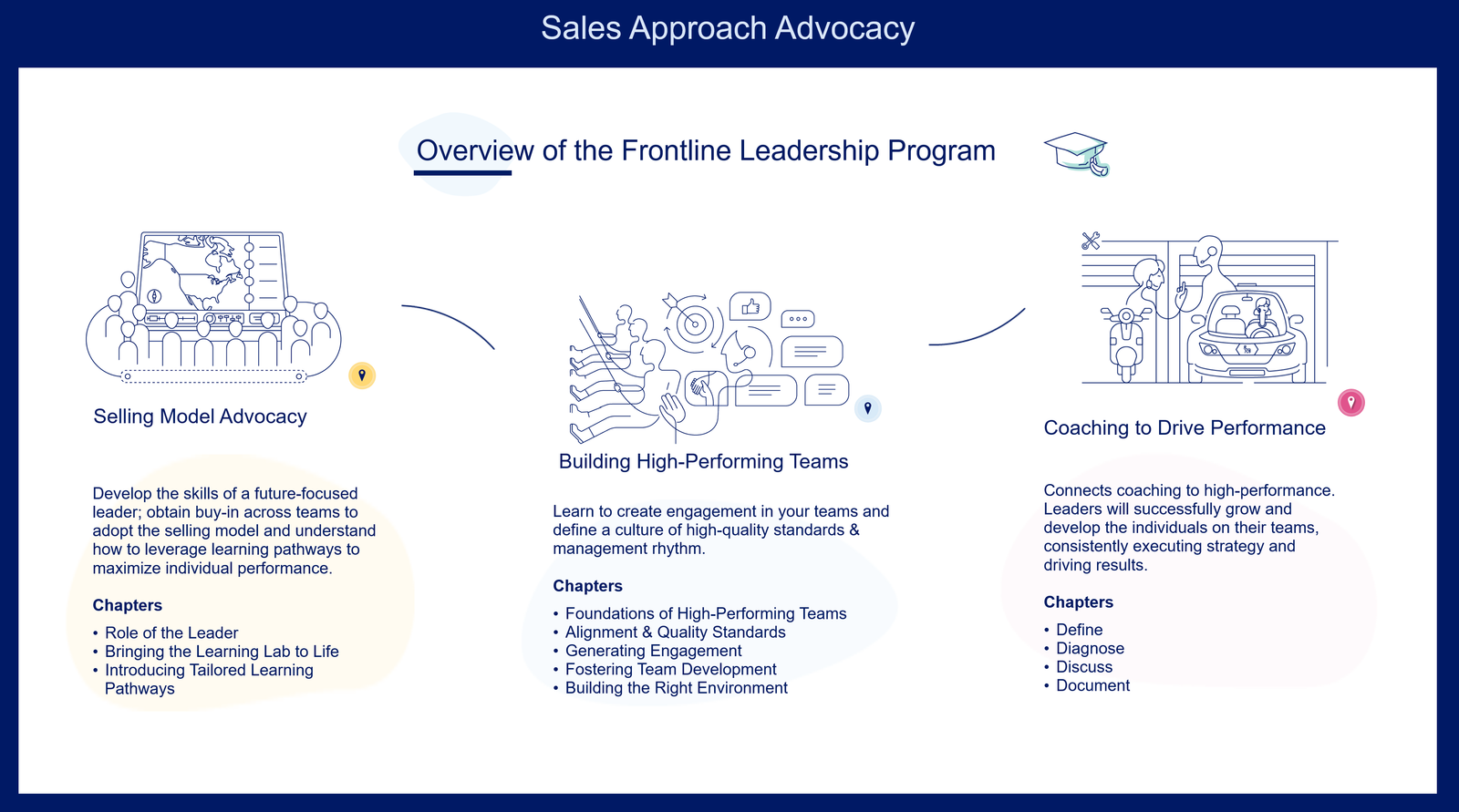
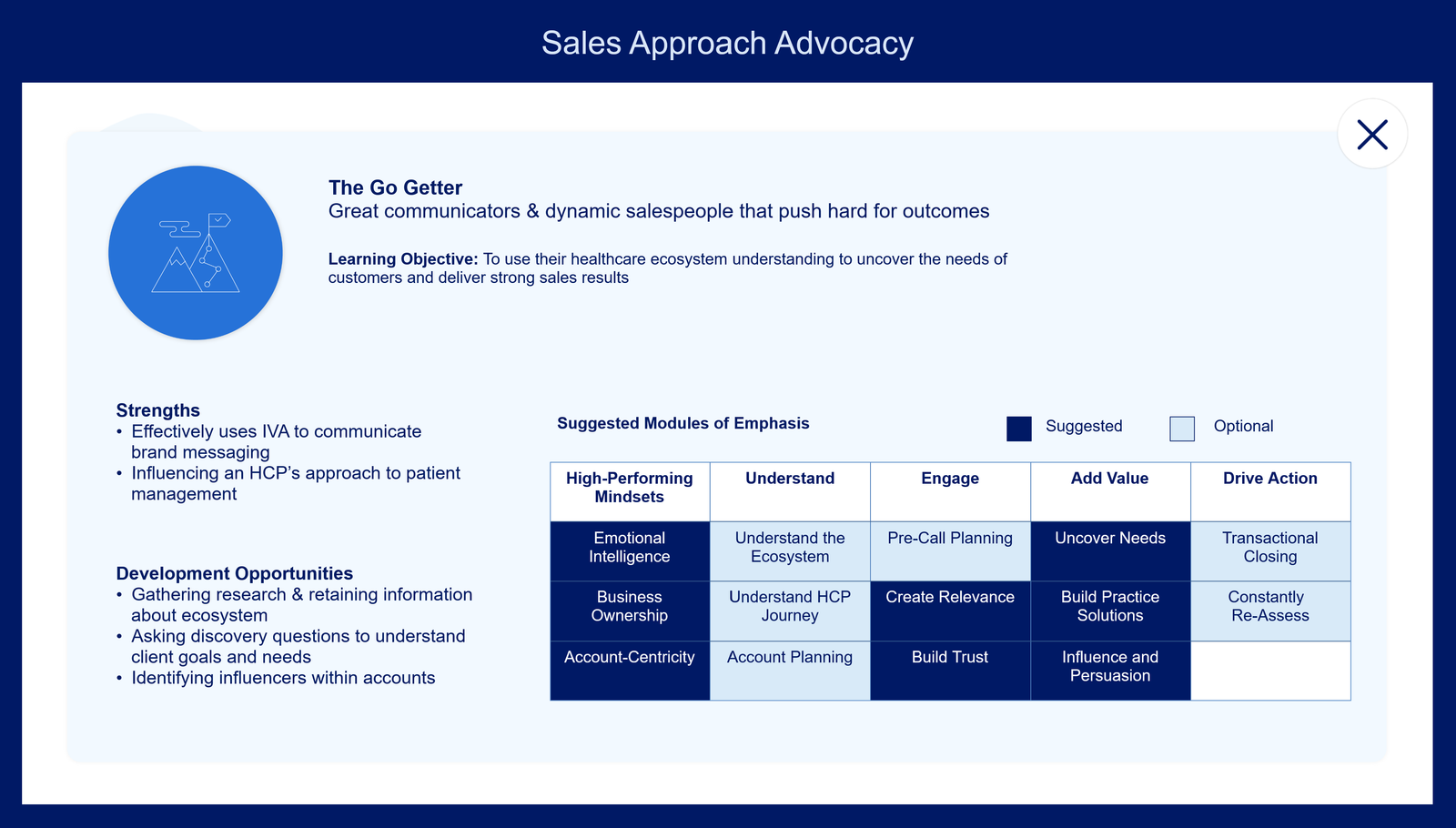
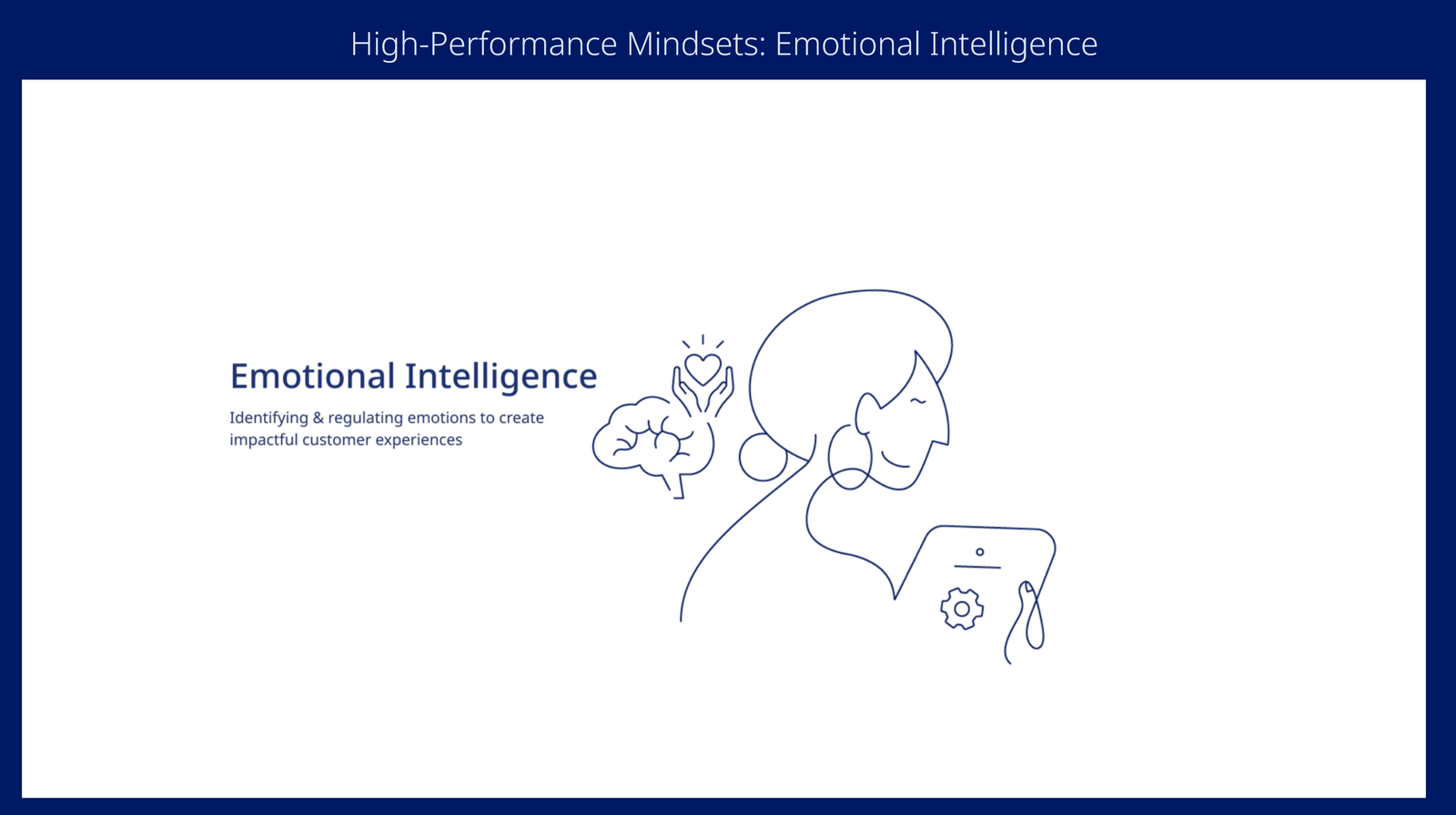
Microlearning modules for B2B sales leadership with scenario-based episodes.
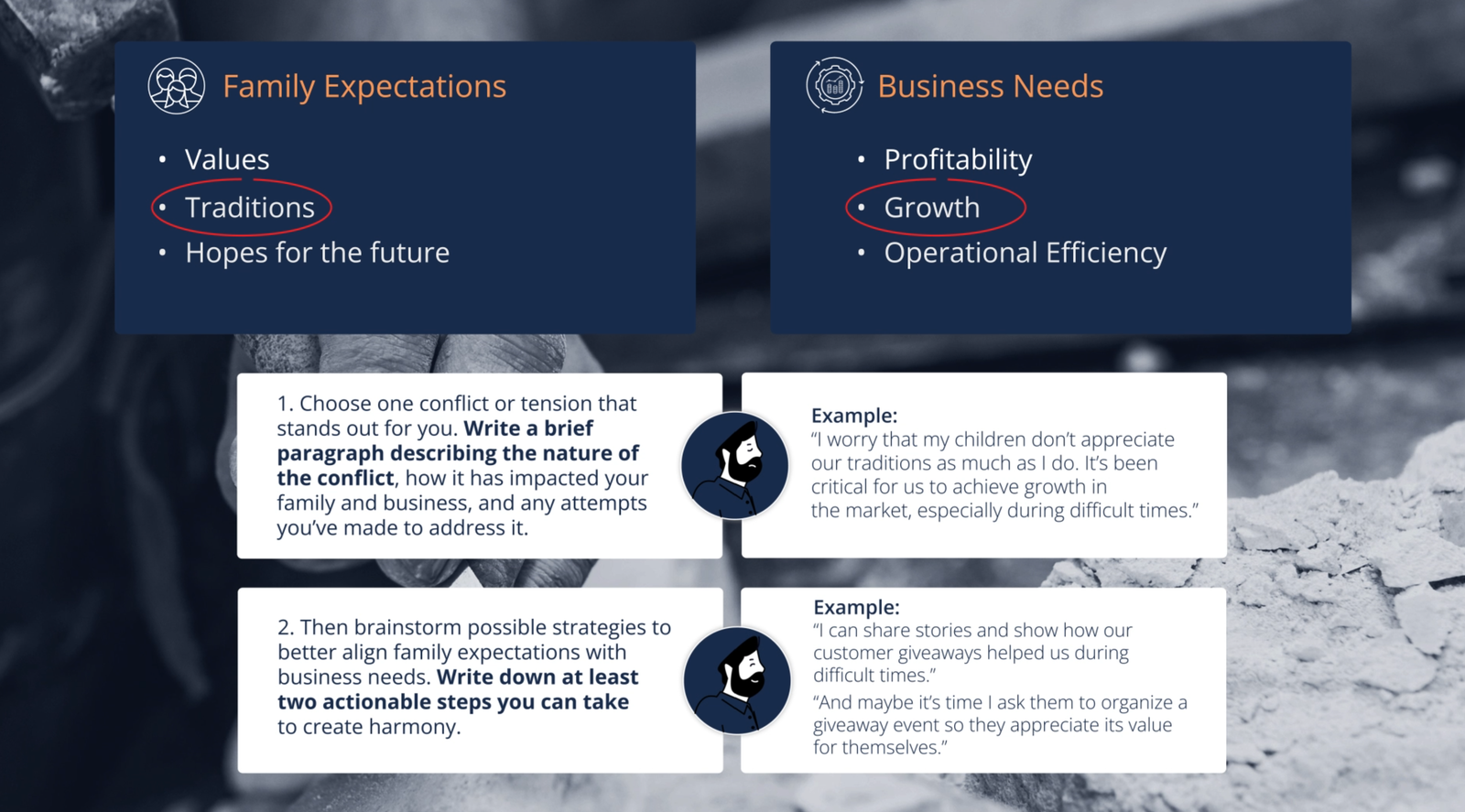
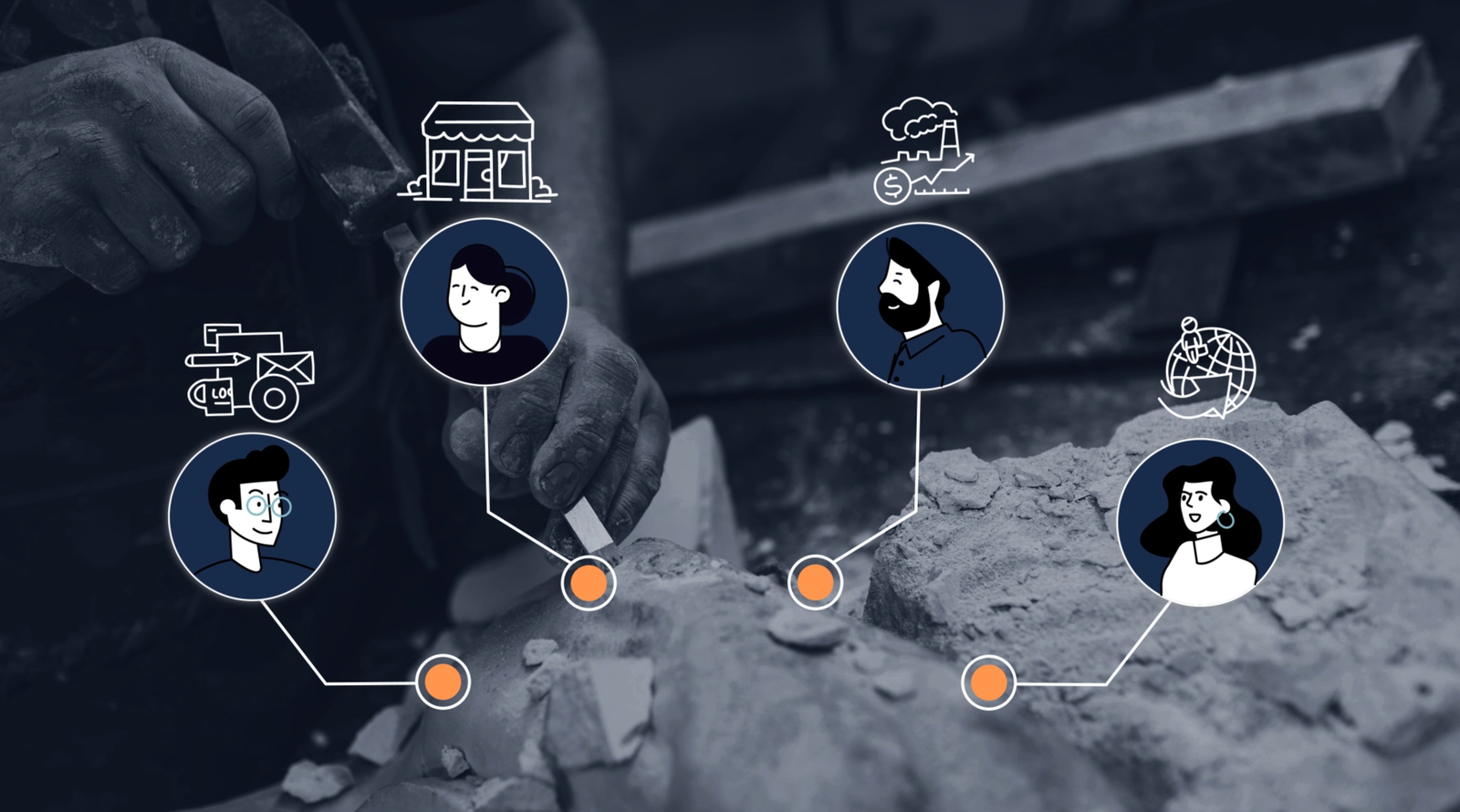
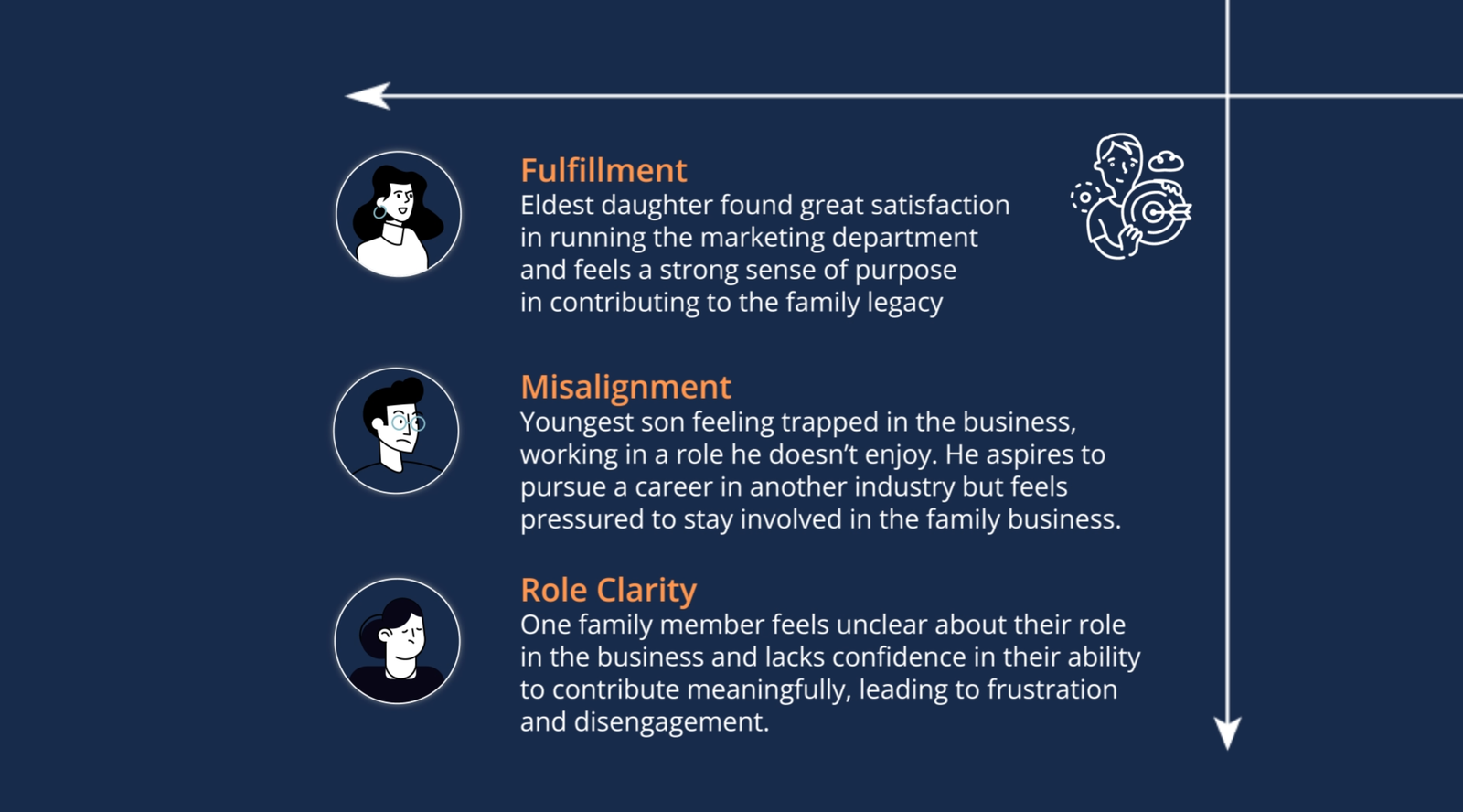
Family business education for an international consultant
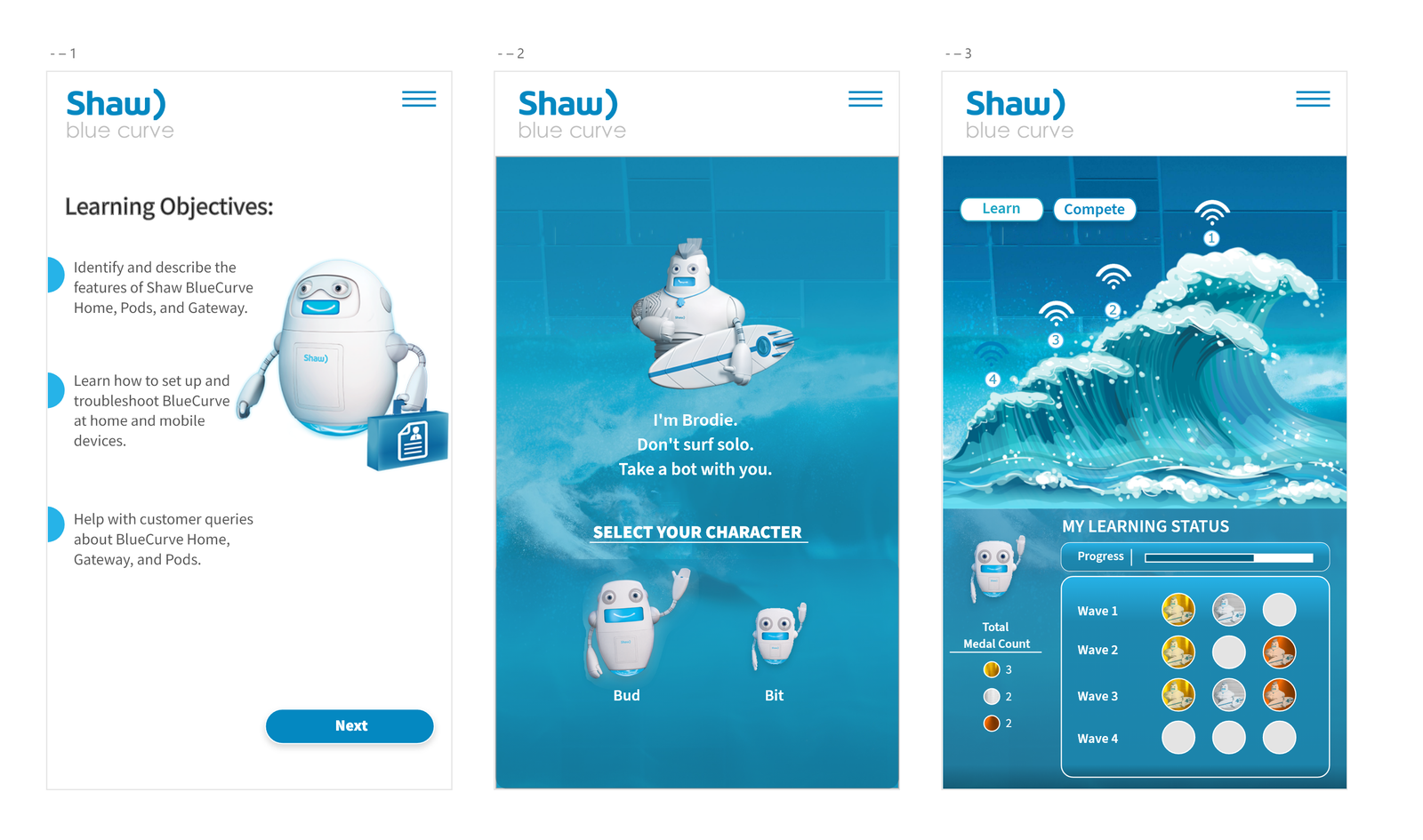
Mobile-first gamification prototype with an adaptive microlearning architecture
Dialogue architecture for behaviour-changing customer service training.
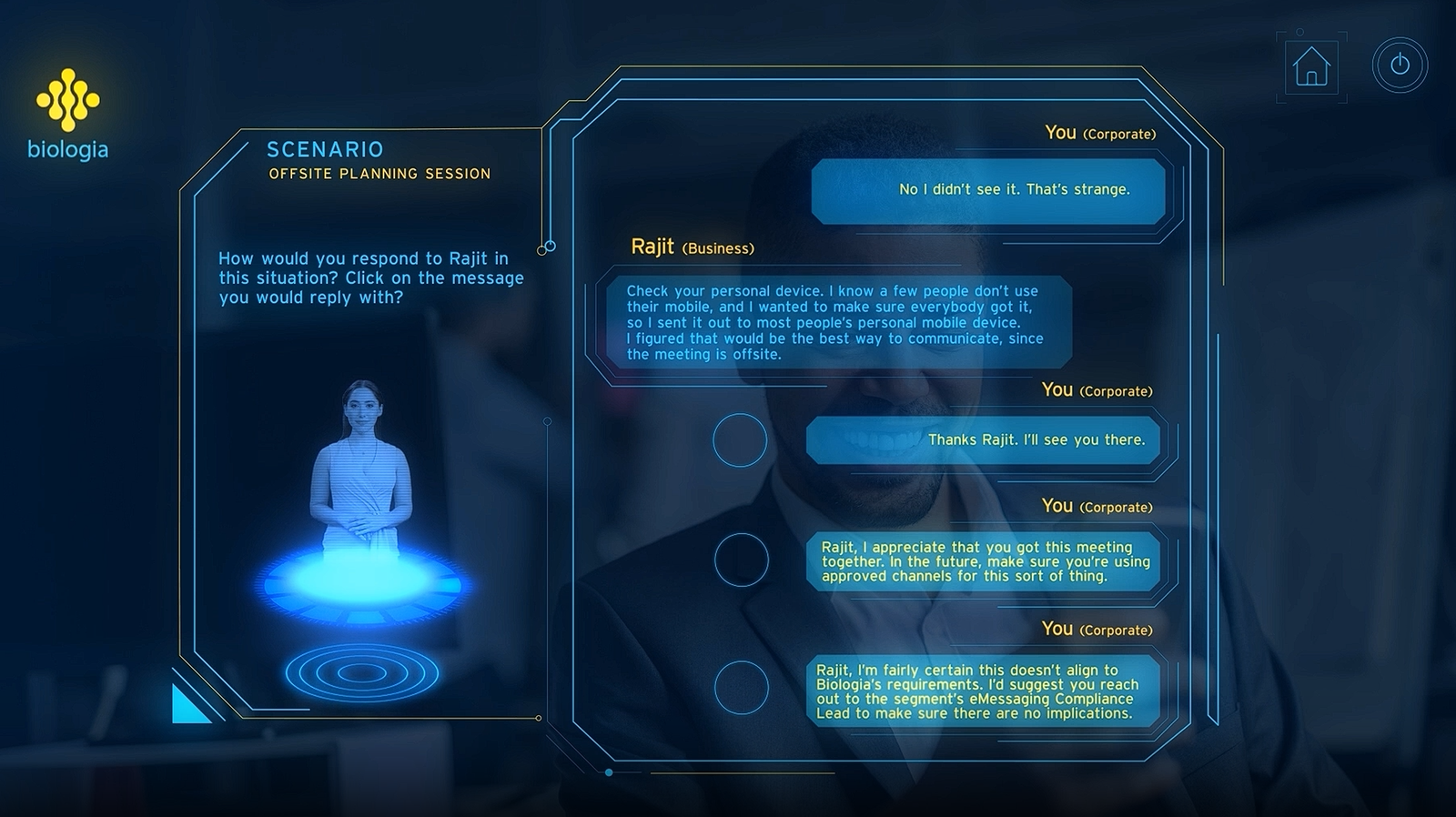
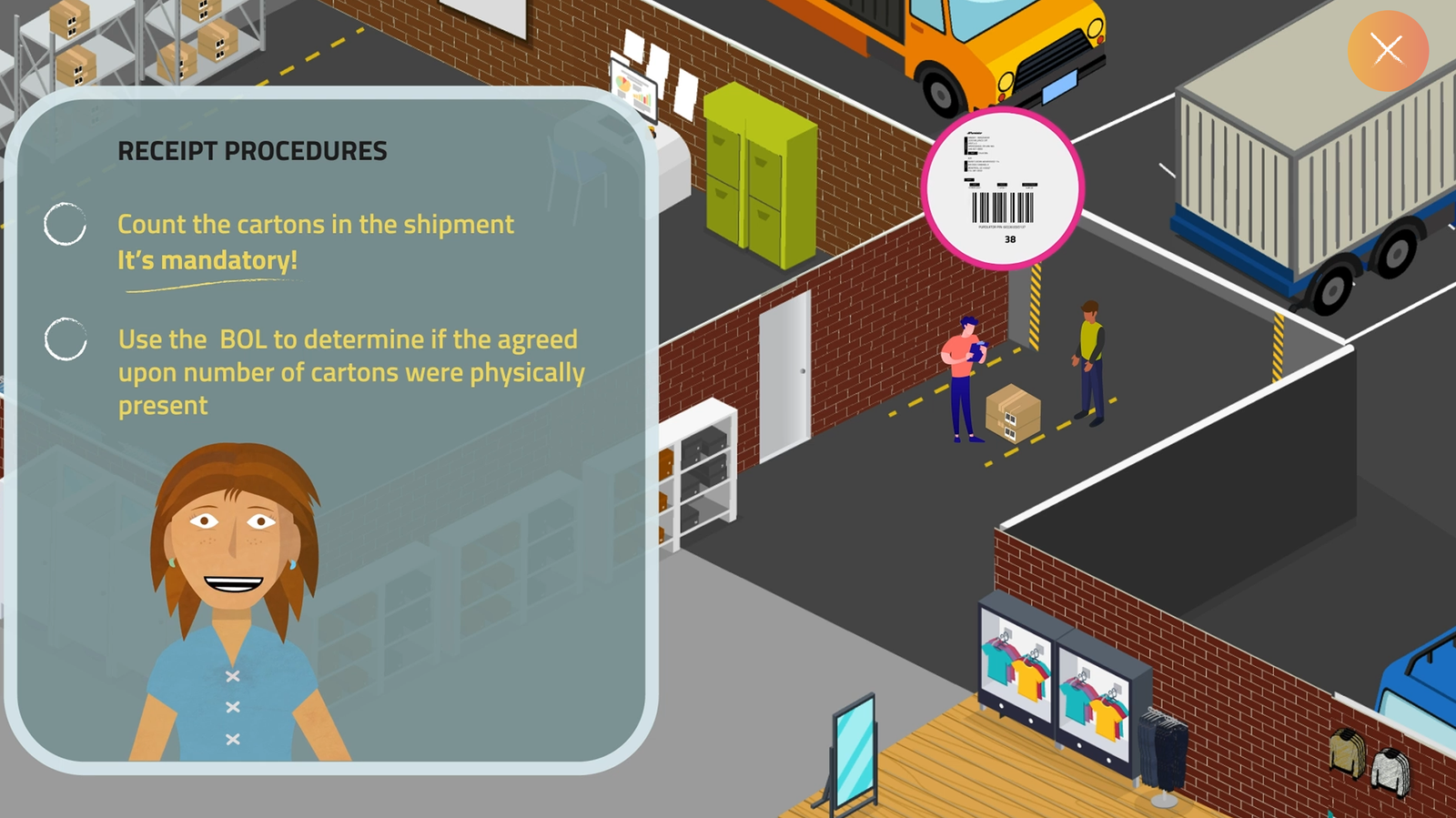
Bilingual scenario-based compliance assessment in use since 2020.
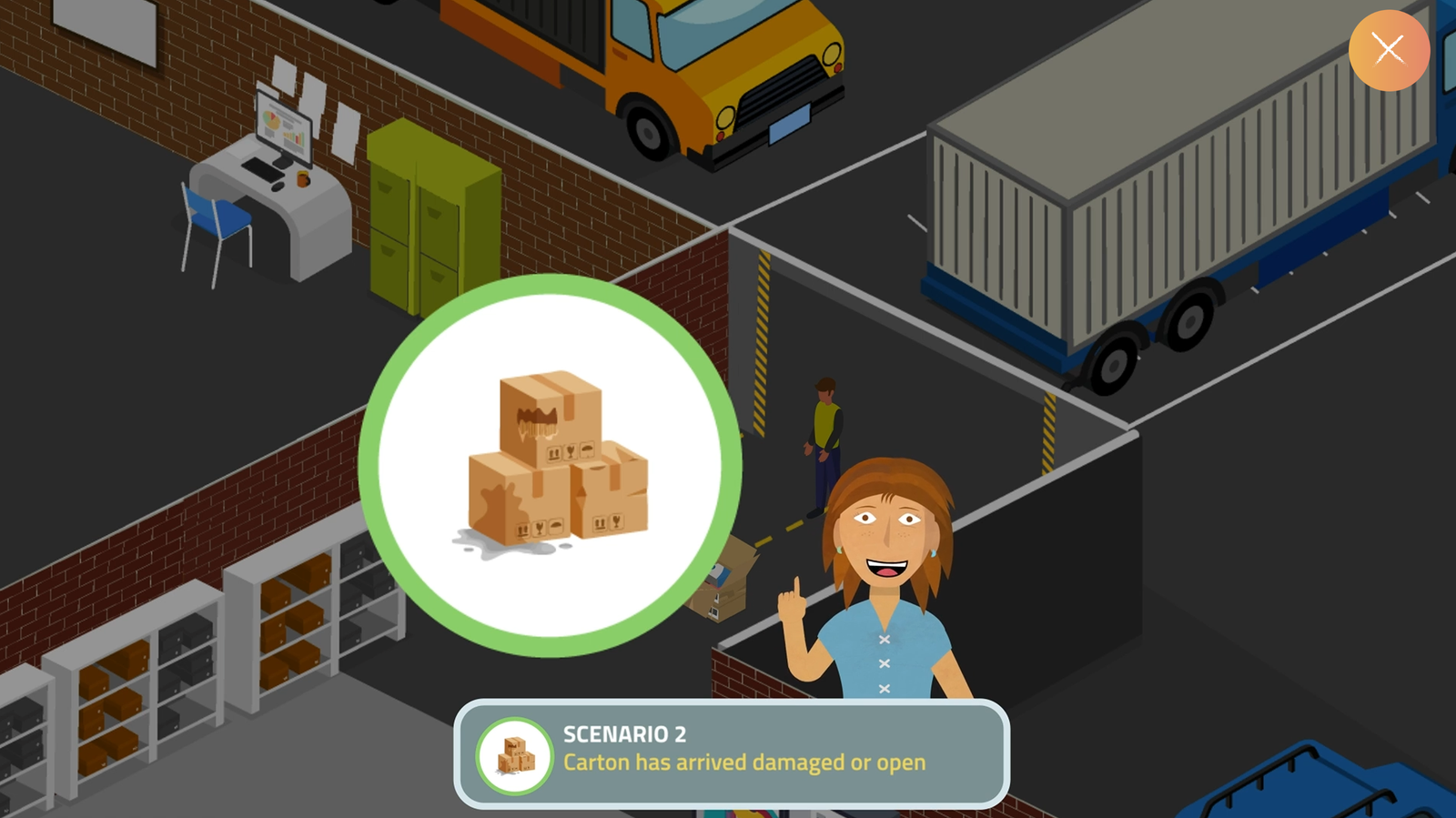
Scenario-based communications training for women entering construction.
Credentials
University of Calgary - Research on Mental Time Travel and foresightful decision-making
Learning design lead, production frameworks, enterprise L&D strategy
Video production, learning architecture, and AI integration for international clients